Định tuyến cuộc gọi bán buôn: Cách các nhà cung cấp dịch vụ định tuyến giọng nói trên quy mô lớn
Mọi cuộc gọi bán buôn đều phải tìm đường dẫn từ mạng mà nó bắt đầu đến mạng mà nó kết thúc. Hướng dẫn này giải thích cách chọn đường dẫn đó, cách định tuyến với chi phí thấp nhất, điều gì phân biệt giữa tuyến đường tốt và tuyến đường rẻ và cách các tuyến đường được giữ an toàn.
Bán buôn VoIP
Định tuyến cuộc gọi bán buôn: Cách các nhà cung cấp dịch vụ định tuyến giọng nói trên quy mô lớn
Tại sao định tuyến cuộc gọi quyết định mọi thứ
Khi một cuộc gọi rời khỏi một mạng và phải đến một điện thoại khác, ở đâu đó ở giữa một quyết định sẽ được đưa ra: đường dẫn nào sẽ thực hiện cuộc gọi đó? Quyết định đó là định tuyến cuộc gọi bán buônvà nó xảy ra hàng triệu lần một giây trên các mạng thoại trên thế giới mà không ai ở hai đầu cuộc gọi nhận ra.
Họ chỉ nhận thấy khi nó gặp sự cố - một cuộc gọi không kết nối được, khoảng lặng hai giây trước khi có tín hiệu hồi âm, âm thanh phát ra thành từng mảnh.
Đối với nhà cung cấp dịch vụ bán buôn, định tuyến không phải là chi tiết ở bộ phận hỗ trợ. Đó là nơi chi phí, chất lượng và sự tuân thủ đều được giải quyết cùng một lúc. Định tuyến tốt và bạn thực hiện các cuộc gọi rõ ràng ở mức chênh lệch. Định tuyến không tốt - theo đuổi con đường rẻ nhất mà không quan tâm đến chất lượng - và bạn làm mất lòng khách hàng thông qua các cuộc gọi bị rớt và chi phí hiệu quả tăng cao.
Hướng dẫn này giải thích cách định tuyến thực sự hoạt động trên quy mô lớn và những điều cần tìm ở nhà cung cấp thực hiện tốt điều đó. Nếu bạn là người mới tham gia lĩnh vực này, tổng quan của chúng tôi về bán buôn VoIP đặt bối cảnh rộng hơn.
Định tuyến cuộc gọi bán buôn là gì?
Định tuyến cuộc gọi bán buôn là quá trình nhà cung cấp dịch vụ chọn đường dẫn cho cuộc gọi thoại từ điểm khởi đầu đến điểm đến trên một hoặc nhiều mạng được kết nối với nhau. Trong thế giới bán buôn, một nhà cung cấp dịch vụ duy nhất hiếm khi sở hữu đường kết nối trực tiếp tới mọi điện thoại trên trái đất.
Thay vào đó, nó có các thỏa thuận với nhiều nhà cung cấp dịch vụ khác và việc định tuyến là logic để chọn nhà cung cấp dịch vụ nào trong số đó sẽ thực hiện một cuộc gọi nhất định đến một đích nhất định.
Quyết định hiếm khi chỉ xoay quanh một yếu tố duy nhất. Công cụ định tuyến sẽ cân nhắc chi phí mỗi phút của từng đường dẫn có sẵn, chất lượng trực tiếp mà mỗi đường dẫn đang cung cấp, các quy tắc quản lý áp dụng cho đích và liệu đường dẫn đó có dung lượng dự phòng ngay bây giờ hay không.
Đầu ra là một bảng định tuyến - một danh sách theo thứ tự về nhà cung cấp dịch vụ nào sẽ thử đầu tiên, thứ hai và thứ ba cho mỗi tiền tố mà nhà bán buôn bán. Khi mô hình hoặc tỷ lệ lưu lượng truy cập thay đổi, bảng đó sẽ được xây dựng lại, thường là tự động.
Được thực hiện ở quy mô lớn, đây là điều cho phép nhà bán buôn tiếp cận phạm vi toàn cầu mà không cần sở hữu mạng lưới toàn cầu. Nó mua phạm vi tiếp cận từ những người khác và định tuyến thông qua nó một cách thông minh.
Cách hoạt động của định tuyến cuộc gọi bán buôn
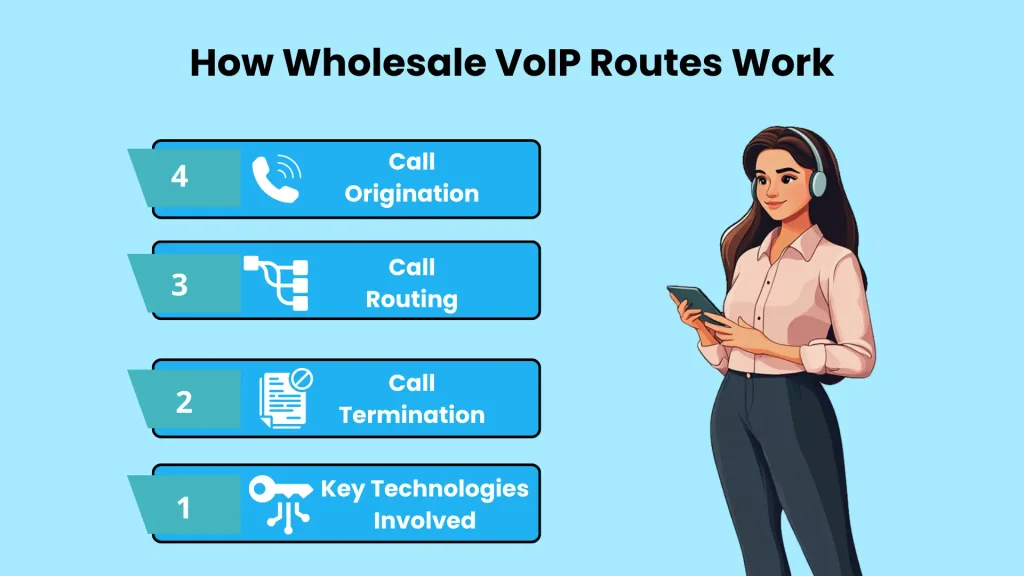
Cuộc gọi định tuyến sẽ trải qua ba giai đoạn rộng, tất cả đều diễn ra trên các giao thức thoại IP tiêu chuẩn.
Nguồn gốc. Cuộc gọi vào mạng của nhà bán buôn từ khách hàng — người bán lại, trung tâm cuộc gọi, ứng dụng. Nó đến dưới dạng phiên SIP, với Nhâm nhi (Giao thức khởi tạo phiên) xử lý việc thiết lập, chia nhỏ và đàm phán, trong khi âm thanh thực tế được truyền riêng biệt như RTP Các gói (Giao thức truyền tải thời gian thực).
Quyết định định tuyến. Softswitch đọc số đã quay số, khớp số đó với bảng định tuyến của nó và chọn đường dẫn. Đây là nơi chạy định tuyến với chi phí thấp nhất, nơi dữ liệu chất lượng được tham khảo và là nơi áp dụng bất kỳ bộ lọc tuân thủ nào — chặn tiền tố bị cấm, thực thi quy tắc ID người gọi — được áp dụng.
Nếu nhà cung cấp dịch vụ được lựa chọn đầu tiên từ chối cuộc gọi hoặc không kết nối được, động cơ sẽ chuyển sang đường dẫn tiếp theo trong danh sách.
Chấm dứt. Nhà cung cấp dịch vụ được chọn sẽ chuyển cuộc gọi đến mạng đích thông qua chấm dứt giọng nói, điện thoại đầu xa đổ chuông và đường dẫn phương tiện RTP hai chiều sẽ mở ra. Từ quan điểm của khách hàng, cuộc gọi đã được thực hiện một cách đơn giản; bên dưới, nó có thể đã được cung cấp cho hai hoặc ba nhà cung cấp dịch vụ trước khi một nhà cung cấp dịch vụ chấp nhận nó.
Định tuyến và chấm dứt VoIP hoạt động song song với nhau và tỷ lệ mua đằng sau nó được xác định theo tỷ lệ chấm dứt VoIP bán buôn.
Đường dẫn định tuyến - khởi tạo, quyết định LCR, kết thúc.
Định tuyến chi phí thấp nhất, được giải thích
Định tuyến chi phí thấp nhất (LCR) là kỹ thuật trọng tâm của định tuyến bán buôn. Ở dạng đơn giản nhất, nó thực hiện chính xác những gì tên gọi: với một số nhà cung cấp dịch vụ có thể đến đích, hãy gửi cuộc gọi xuống nhà cung cấp dịch vụ rẻ nhất. Bởi vì lợi nhuận của người bán buôn là khoảng cách giữa tỷ giá mua và tỷ giá bán, nên tỷ giá mua mỗi phút sẽ gộp lại thành tiền thật theo khối lượng.
Cái bẫy đang coi LCR như một cuộc cạnh tranh về giá thuần túy. Tuyến đường rẻ nhất thường rẻ vì có lý do - chuỗi nhà cung cấp dịch vụ trung gian dài hơn, tỷ lệ trả lời thấp hơn hoặc âm thanh bị suy giảm dần. Một thiết lập LCR ngây thơ xếp hạng hoàn toàn dựa trên giá sẽ vui vẻ gửi mọi cuộc gọi xuống một tuyến đường kết nối 60% thời gian và khách hàng sẽ rời bỏ.
Đó là lý do tại sao các công cụ định tuyến hoàn thiện chạy LCR có trọng số chất lượng: chi phí được cân bằng với buổi biểu diễn trực tiếp, do đó, lộ trình rẻ hơn một phần trăm sẽ không giành chiến thắng nếu tỷ lệ trả lời hoặc âm thanh của nó kém hơn về mặt vật chất.
LCR tốt cũng năng động. Giá thay đổi liên tục trên hàng trăm nhà cung cấp dịch vụ và chất lượng dao động theo giờ và theo điểm đến. Các nhà cung cấp mạnh nhất tính toán lại việc định tuyến liên tục từ dữ liệu trực tiếp thay vì bảng giá được tải lên mỗi tuần một lần, do đó đường đi của một cuộc gọi lúc 9 giờ sáng có thể không giống đường dẫn của một cuộc gọi giống hệt lúc 9 giờ tối.
Điều gì tạo nên một tuyến đường tốt: CLI, ASR và ACD
Không phải tất cả các tuyến đường đều như nhau và sự khác biệt đều có những cái tên đáng biết.
CLI và không CLI. Tuyến CLI chuyển nhận dạng đường dây người gọi đầy đủ đến người nhận để họ thấy ID người gọi chính xác. Bởi vì mọi người trả lời cuộc gọi từ các số được xác định thường xuyên hơn so với các số chưa xác định, các tuyến CLI có xu hướng mang lại tỷ lệ trả lời cao hơn và chúng tuân thủ các quy định về ID người gọi ở các thị trường yêu cầu điều này.
Tuyến đường Non-CLI loại bỏ ID người gọi để cắt giảm chi phí — một lựa chọn hợp pháp cho một số lưu lượng truy cập đi ra ngoài với số lượng lớn, nhưng chỉ khi loại tuyến đường được tiết lộ và phù hợp với trường hợp sử dụng.
ASR (Tỷ lệ trả lời-bắt giữ) là tỷ lệ số lần thử cuộc gọi thực sự kết nối. Tuyến CLI lành mạnh nằm ở mức trên 90%; một tuyến đường khập khiễng ở mức 60% đang báo hiệu một con đường kém hoặc một con đường lừa đảo và nó lặng lẽ phá hủy tính kinh tế của chiến dịch.
ACD (Thời lượng cuộc gọi trung bình) kể một câu chuyện bổ sung. Khoảng thời gian trung bình rất ngắn trên một tuyến đường có thể dẫn đến việc trả lời sai thanh toán hoặc cuộc gọi kết nối và thất bại ngay lập tức, trong khi khoảng thời gian bình thường cho thấy các cuộc trò chuyện thực sự đang diễn ra. Cùng với ASR, ACD giúp nhà cung cấp dịch vụ chỉ ra một tuyến đường thực sự tốt từ một tuyến đường chỉ có vẻ tốt trên bảng giá.
Đảm bảo các tuyến đường bán buôn chống gian lận
Định tuyến liên quan đến tiền trong mỗi cuộc gọi, điều này khiến nó trở thành nam châm lừa đảo. Các mối đe dọa đã được biết rõ - Gian lận chia sẻ doanh thu quốc tế (IRSF) bơm lưu lượng truy cập vào các số cao cấp, lừa đảo một vòng Wangiri và lạm dụng lưu lượng truy cập vào hộp SIM để bỏ qua các kết nối hợp pháp. Nếu không được giám sát, bất kỳ thứ nào trong số này đều có thể gây ra khoản phí khổng lồ trước khi bất kỳ ai nhận ra. Báo cáo gian lận cho FTC.
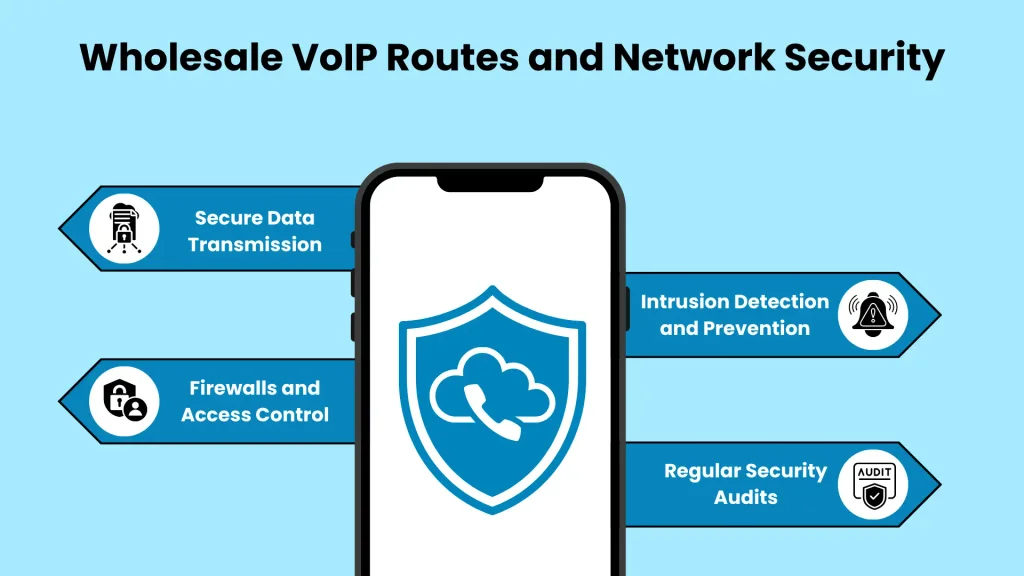
Các lớp phòng thủ cùng nhau. Mã hóa với TLS trên tín hiệu SIP và SRTP trên phương tiện truyền thông giúp các tuyến đường không bị chặn hoặc bị tấn công. Giám sát liên tục theo dõi lưu lượng truy cập để phát hiện các mô hình mà gian lận tạo ra — sự tăng đột biến về các tiền tố bất thường, tỷ lệ trả lời có vẻ giả tạo, thời lượng không cộng dồn.
Và phát hiện gian lận tự động có thể điều tiết hoặc chặn lưu lượng truy cập đáng ngờ trong thời gian thực, trước khi sự cố thanh toán trở thành thảm họa thanh toán.
Một nhà bán buôn coi vấn đề bảo mật định tuyến là điều cần cân nhắc cuối cùng sẽ trả tiền cho nó. Các nhà cung cấp đáng làm việc với tính năng phát hiện bản dựng trong chính lớp định tuyến, do đó, một tuyến đường đáng ngờ có thể được phát hiện ngay khi nó bắt đầu hoạt động giống như gian lận thay vì sau khi hóa đơn được gửi đến.
Bảo mật tuyến đường - mã hóa, giám sát, phát hiện gian lận.
Phần kết luận
Định tuyến cuộc gọi bán buôn là một bộ máy yên tĩnh quyết định xem cuộc gọi có kết nối hay không, âm thanh rõ ràng như thế nào, chi phí là bao nhiêu và liệu việc phân phối có hợp pháp hay không.
Các nhà cung cấp dịch vụ hoạt động tốt không chỉ theo đuổi con đường rẻ nhất — họ cân nhắc chi phí với chất lượng trực tiếp, đọc các tín hiệu phân biệt tuyến đường thực với tuyến đường lừa đảo và xây dựng tính bảo mật trong lớp định tuyến thay vì tăng cường nó.
Đối với bất kỳ ai mua giọng nói bán buôn, công cụ định tuyến đằng sau nhà cung cấp cũng đáng được xem xét kỹ lưỡng như bảng giá phía trước nó. Tỷ lệ là những gì bạn được trích dẫn; định tuyến là những gì bạn thực sự nhận được.
Câu hỏi thường gặp: Định tuyến cuộc gọi bán buôn
Định tuyến cuộc gọi bán buôn là gì?
Định tuyến cuộc gọi bán buôn là cách nhà cung cấp dịch vụ chọn đường dẫn cho cuộc gọi thoại từ điểm khởi đầu đến điểm đến trên các mạng được kết nối với nhau. Vì không có nhà cung cấp dịch vụ nào sở hữu liên kết trực tiếp đến mọi điện thoại nên logic định tuyến sẽ chọn nhà cung cấp dịch vụ đối tác nào sẽ thực hiện từng cuộc gọi đến từng điểm đến, cân bằng giữa chi phí, chất lượng, công suất và sự tuân thủ.
Định tuyến chi phí thấp nhất (LCR) là gì?
Định tuyến chi phí thấp nhất là kỹ thuật gửi mỗi cuộc gọi theo con đường rẻ nhất có sẵn để đến đích. Các hệ thống trưởng thành sử dụng LCR có trọng số về chất lượng, giúp cân bằng giữa giá cả và hiệu suất trực tiếp, do đó tuyến đường rẻ hơn một chút sẽ không giành được chiến thắng khi tỷ lệ trả lời hoặc chất lượng âm thanh kém hơn về cơ bản.
Sự khác biệt giữa các tuyến CLI và Non-CLI là gì?
Tuyến CLI chuyển nhận dạng đường dây người gọi đầy đủ đến người nhận, giúp cải thiện tỷ lệ trả lời và đáp ứng các quy định về ID người gọi. Tuyến Non-CLI loại bỏ ID người gọi để giảm chi phí. Non-CLI có thể hợp pháp đối với một số lưu lượng truy cập đi ra ngoài với số lượng lớn, miễn là loại tuyến đường được tiết lộ và phù hợp với trường hợp sử dụng.
ASR và ACD đo lường điều gì trong định tuyến cuộc gọi?
ASR (Tỷ lệ trả lời-bắt giữ) là tỷ lệ phần trăm số lần thử cuộc gọi kết nối, với các tuyến CLI lành mạnh trên 90%. ACD (Thời lượng cuộc gọi trung bình) phản ánh thời lượng cuộc gọi được kết nối kéo dài; thời lượng ngắn bất thường có thể báo hiệu việc thanh toán trả lời sai hoặc kết nối không thành công. Đọc cùng nhau, họ tiết lộ liệu một tuyến đường có thực sự tốt hay không.
Các tuyến đường bán buôn được bảo vệ khỏi gian lận như thế nào?
Các tuyến đường được bảo vệ bằng mã hóa TLS/SRTP, giám sát lưu lượng truy cập liên tục đối với các hình thức gian lận được tạo ra như IRSF và Wangiri, đồng thời phát hiện tự động có thể điều tiết hoặc chặn lưu lượng truy cập đáng ngờ trong thời gian thực trước khi nó tạo ra sự cố thanh toán lớn.
Chạy giọng nói của bạn trên Ajoxi.
Nhân viên lễ tân AI, tuyến bán buôn, số ảo - được xây dựng trên một nền tảng với giá cả minh bạch và NOC 24/7.